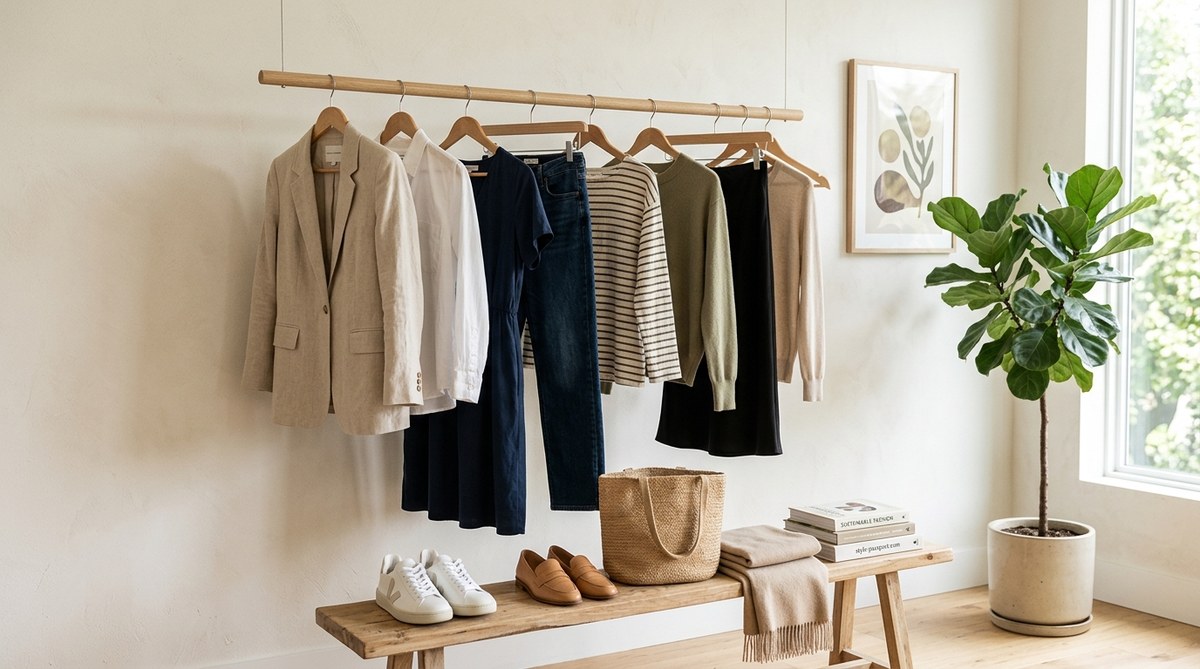
Embarking on a sustainable wardrobe journey is about more than just clothes. It is about crafting a personal style that respects people, planet, and your budget. At Style Passport, we celebrate fashion that looks great, feels good, and leaves a lighter footprint. If you are tired of buying trends that fade and trashing pieces after a season, you are in the right place. Today we break down clear, actionable steps to help you build a wardrobe that stays true to your style while reducing waste and supporting ethical practices.
Why a sustainable wardrobe matters
The fashion industry is one of the most resource intensive sectors in the world. By choosing to slow down and invest thoughtfully, you can:
- Reduce waste and pollution by buying fewer items that last longer.
- Support brands that treat workers fairly and protect the environment.
- Lower your overall clothing spending while elevating your everyday style.
- Create a more practical and versatile closet that makes getting dressed faster.
A sustainable wardrobe is not about perfection it is about progress. Small, consistent choices compound into meaningful impact over time. The goal is to build a collection that you love wearing today and that will age gracefully in the years ahead.
Start with a closet audit
Before you buy another piece, take stock of what you already own. A thoughtful audit is the foundation of a sustainable wardrobe.
- Inventory everything: shirts, dresses, bottoms, outerwear, shoes, accessories.
- Categorize items by condition: like new, good, needs minor repair, and worn out.
- Identify gaps: what pieces are missing to create a cohesive looks.
- Note your current style priorities: color palette, silhouettes, fabrics you love, and activities you dress for.
- Set a plan: define how many new pieces you truly need and set a monthly budget.
An honest audit helps you avoid impulse buys and reveals hidden gems in your closet. It also shows you can refresh your style without overhauling everything at once.
Ditch fast fashion and shop smarter
Fast fashion tempts with low prices and high turnover but often sacrifices quality and ethics. To shift away and still stay stylish, adopt smart buying habits.
- Prioritize price per wear over sticker price. A higher quality garment that lasts years saves money in the long run.
- Favor timeless styles with versatility. A solid blazer, well cut jeans, and a breathable tee can mix and match across seasons.
- Support ethical brands that publish transparent supply chain information.
- Explore second-hand options for items you rarely wear or that are hard to source new.
- Consider rental services for special occasions instead of buying new.
If you are shopping brand new, compare materials, construction, and care requirements. Durable fabrics and robust stitching often indicate a longer life. Resist the urge to chase every new trend and focus on pieces that align with your lifestyle.
Build a capsule wardrobe
A capsule wardrobe is a curated collection of versatile pieces that mix and match to create multiple outfits with fewer items.
- Start with a core color palette. Neutral tones plus 1 to 2 accent colors create easy pairing.
- Choose foundational pieces for each season. For example, a tailored blazer, a white button down, slim trousers, a midi dress, a versatile cardigan, and quality denim.
- Aim for a balanced mix of tops, bottoms, outerwear, and footwear that can be layered.
- Limit the total number of items in your capsule. Many people find 30 to 40 items per season works well, including shoes and accessories.
- Plan quarterly updates. Swap out pieces that no longer fit your lifestyle while preserving your core capsule.
A well executed capsule wardrobe reduces decision fatigue and makes sustainable fashion feel effortless every day.
Invest in durable basics
Durable basics are the backbone of a sustainable wardrobe. Look for materials, construction, and design that stand up to daily wear.
- Fabrics to prioritize: organic cotton, linen, TENCEL Lyocell, hemp, responsible viscose, and recycled fibers.
- Construction cues: double stitching on stress points, reinforced seams, and quality zippers.
- Fabric blends to consider: natural fibers blended with recycled fibers for durability and reduced environmental impact.
- Key pieces to consider: a tailored blazer, a classic trench, a pair of well made jeans, a versatile little black dress, and a reliable white tee.
- Fit matters: choose items that flatter your shape and can be altered easily to extend their life.
Investing in a few premium staples you truly love can improve your daily outfits more than many cheaper pieces that wear out quickly.
Repair and upcycle
Repairing and upcycling extend the life of garments and reduce waste. A little knowledge goes a long way.
- Basic repairs to learn: replacing buttons, seam repairs, fixing small tears, and mending hems.
- Simple alterations that transform fit: taking in seams, shortening sleeves, and adjusting waistlines.
- Upcycling ideas:
- Turn an old dress into a versatile skirt or top with minimal sewing.
- Convert worn out tees into lightweight cleaning rags or a tote bag.
- Update a denim jacket with patches or embroidery for a fresh look.
- Tools to have on hand: a needle and thread in a matching color, scissors, seam ripper, basic sewing kit.
Repair and upcycling are both eco friendly and creatively satisfying. They empower you to customize your wardrobe and keep pieces out of the landfill.
Shop mindfully and avoid greenwashing
Greenwashing is a real challenge in the fashion space. To shop in a way that truly aligns with sustainable values, look beyond slogans.
- Look for clear evidence of ethics and sustainability claims: supply chain transparency, fair labor practices, and environmental impact reporting.
- Check for credible certifications: GOTS for organic textiles, IFC or B Corp alignment for governance and social responsibility, bluesign for materials and chemicals, and OEKO TEX for safety of textiles.
- Prioritize brands with long lasting design and repair policies. A brand that offers repairs and spare parts is a strong signal.
- Be cautious with vague claims like “eco friendly” or “green” without specifics or third party verification.
- Verify the lifecycle impact of the product: how it is sourced, manufactured, transported, and end of life disposal options.
This approach helps you avoid greenwashing and ensures your purchases genuinely reduce harm.
Second hand and rental options
Second hand shopping and rental platforms are powerful tools to lower your wardrobe footprint while still getting quality, stylish pieces.
- Thrift and charity shops offer affordable options with real character.
- Consignment stores and online marketplaces let you buy pre loved items in top condition.
- Rental services are ideal for events or occasional wear without committing to a new piece.
- When buying second hand: inspect fabric condition, check seams, and test for odors.
- When renting: consider wear guidelines, return policies, and cleaning standards.
Incorporating resale and rental into your routine reduces demand for new fast fashion and supports a circular economy.
Care and lifecycle
Care routines play a major role in how long a garment lasts. Small adjustments to washing and drying can extend life significantly.
- Laundry tips: wash in cold water, use gentle cycles, and turn garments inside out to protect finishes.
- Detergents matter: choose mild, environmentally friendly options free of heavy chemicals.
- Drying: air dry whenever possible, avoid high heat that can degrade fibers.
- Storage: store out of direct sunlight, folded or hung on appropriate hangers to maintain shape.
- Rotation: give fabrics time to breathe between wears to prevent stress on fibers.
Healthy care habits maximize wear and keep clothes looking better longer.
Ethical brands and Made in USA
If you are shopping new, evaluating the brand claims is essential. There is value in Made in USA and in brands with robust ethics.
- Look for transparent supply chains and traceable sourcing. Brands should be able to tell you where materials come from and who made the product.
- Check labor practices and wage standards. Seek brands with fair labor certifications and a track record of safe working conditions.
- Consider local production when possible. Made in USA claims can reduce transport emissions and support domestic workers.
- Be mindful of price points and expectations. Higher quality often costs more, but it yields better durability and longevity.
- Consider pre loved luxury as a sustainable option. Owning a high end item that has already aged well can offer lasting style with a smaller environmental footprint.
Evaluating brands with a critical eye helps you invest in wardrobe pieces that align with your values and your wallet.
How to evaluate brands
- Read supply chain details and factory information.
- Look for third party certifications such as GOTS or Bluesign.
- Review material sourcing and chemical usage policies.
- Check repair policies and warranty terms.
- Research the brand’s overall sustainability reporting.
Pre owned luxury and high quality pieces
Buying pre owned luxury can be an excellent way to access durable, well made garments at a lower price point. With proper care many luxury pieces wear beautifully for years.
Donating and disposing responsibly
When you decide an item has reached the end of its life in your wardrobe, dispose of it thoughtfully.
- Donate clothes that are clean and in wearable condition to charities or thrift stores.
- If items are broken or heavily worn, recycle where possible through textile recycling programs.
- Consider local programs and textile banks that accept specific fabrics or products.
- Remove personal items from pockets and ensure zippers and buttons are secured for transit.
- Avoid sending items to landfill when there are viable reuse options.
Responsible disposal keeps garments out of landfills and gives them a second life with someone else.
Style evolution and a growth mindset
A sustainable wardrobe is not a fixed blueprint it evolves with your life and your tastes. Style Passport is about evolving aesthetics that remain grounded in ethics and quality.
- Embrace a signature palette and silhouettes that you love to wear year after year.
- Allow your style to reflect your values. Ethical fashion can be bold and contemporary as well as timeless.
- Revisit your capsule seasonally. A minor refresh keeps your wardrobe feeling fresh without excess.
- Document outfits and reflect on what items you actually use. This helps you keep only pieces you love.
Sustainable fashion is a journey not a destination. The goal is gradual improvement that stays aligned with your personal style.
Action plan: 30 days to a sustainable wardrobe
If you want a practical boost to start, follow this simple 30 day plan.
- Day 1 to 3: Conduct a closet audit and remove anything you no longer wear.
- Day 4 to 7: Define your capsule principles a color palette and fit goals.
- Day 8 to 12: Repair or upcycle three items that need it.
- Day 13 to 17: Replace essential pieces with durable, ethical options if needed.
- Day 18 to 21: Shop second hand for at least one piece you truly need.
- Day 22 to 25: Learn basic care routines and set up a simple laundry schedule.
- Day 26 to 28: Verify at least one new or existing brand against sustainability criteria.
- Day 29 to 30: Create a packing list for your typical week and a plan for future purchases.
This structured approach helps you build momentum and keeps you focused on sustainable changes that feel doable.
Quick wins to implement this week
- Audit your closet today and remove unworn items.
- Pick one capsule friendly item to invest in only if it truly fills a gap.
- Repair any minor issues with current garments instead of replacing them.
- Explore a local thrift store or online marketplace for one new to you piece.
- Set up a simple care routine and a maintenance calendar.
Small steps compound into meaningful changes over time.
Style-Passport ethos in practice
Style-Passport.com is about fashion that respects the planet while celebrating personal expression. We believe sustainable style does not require sacrifice it invites creativity and intentionality. By combining mindful consumption with repair, upcycling, and smarter shopping, you can cultivate a wardrobe that looks fresh season after season.
If you want more tailored guidance, consider keeping a style journal for a month. Record what you wear weekly, what you reach for most, and what feels redundant. Over time you will notice patterns that help you refine your capsule and keep your closet lean yet expressive.
Final thoughts
Building a sustainable wardrobe is a journey of small, consistent actions that respect both people and the planet. It is about choosing quality over quantity, investing in timeless pieces, and embracing the creativity of upcycling and repair. It is also about knowing when to shop second hand, when to invest in durable basics, and how to avoid greenwashing with informed choices.
Style-Passport invites you to start today with a simple audit, a clear capsule concept, and a plan to repair and reuse. Your sustainable wardrobe will not only look better it will feel better too because every piece lived a longer, more intentional life.